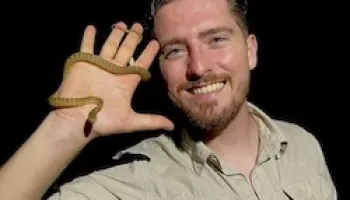
Biological sciences Ph.D. candidate Theresa Menna characterizes the sensory genes that drive blood-seeking mosquitoes to sniff out a preferred host.
Sitting outside on a summer day, why is one person a “mosquito magnet” suffering multiple bites while another remains happily unscathed? And why do some mosquitoes prefer mammal blood, but others go for birds? University of Maryland biological sciences Ph.D. student Theresa Menna is finding answers to these questions in the insects’ genes.

By scouring a massive genomic dataset including thousands of genes that might be relevant to her questions, Menna is trying to pare down the list to “a workable number” of candidate genes related to the insect’s chemosensory experience—what they taste or smell. Human factors also matter: our genes and microbiomes affect the smell of our sweat, breath and other bodily emissions, and insects have preferences.
Working in Entomology Associate Professor Megan Fritz’s lab, Menna focuses on olfaction, analyzing RNA sequences from the antennae (the primary olfactory organs) of human- and bird-seeking mosquitoes to identify genetic differences that help explain their host preferences. In the lab, Menna’s colleagues also crossbreed parent mosquitoes to observe the feeding behavior of their offspring and how small genetic differences affect host preference.
Menna has presented her research findings at meetings of the Entomological Society of America and the Allied Genetics Conference and has a paper in review that she hopes to publish in the coming months.
Taking a bite out of disease transmission
Mosquitoes are the world’s deadliest animals, killing as many as a million people a year worldwide by transmitting viruses like malaria, dengue, West Nile and Zika. There are some 3,500 known mosquito species and more than 100 trillion individuals living at any one time. While not all species spread diseases, Menna studies Culex pipiens, the Northern house mosquito, a primary vector of West Nile virus in North America.
Transmission of West Nile virus is challenging to predict and model because numerous variables are involved, including climate, seasonality, bird migration, mosquito behavior, and, especially, host preference.
“The more we can understand host preference, the better prepared we can be to manage disease transmission through these vectors,” she said. “Genetic details can inform the design of more effective insect repellants, for example.”
A change in plans
Menna didn’t plan to study mosquitoes when she started graduate school. Before coming to Maryland, she explored human disease as a research technician at the Children’s Hospital of Philadelphia, studying the mechanisms underlying bone marrow failure in the genetic disorder Fanconi anemia.
At UMD, Menna hoped to expand her skills in bioinformatics and genomics and looked for a ‘dry lab’ where she could do an entirely computational thesis. She found that opportunity in the Fritz lab.
“That’s what Megan [Fritz] needed, someone to take on all these datasets that others had generated over the years and do the characterizations. It was a perfect fit,” she said.
Menna distills the data to the most valuable bits and generates informed hypotheses for others in the lab to test.
Fritz’s lab maintains mosquito colonies in netted cages inside a mosquito culture room, with lab members providing sugar water for daily nutrition. Because most adult female mosquitoes require a blood meal to lay eggs, students also manage a mechanical blood-feeding setup to provide hungry females with resources to maintain the colony.
To determine which mosquitoes prefer which blood types, the team performs host-landing assays.
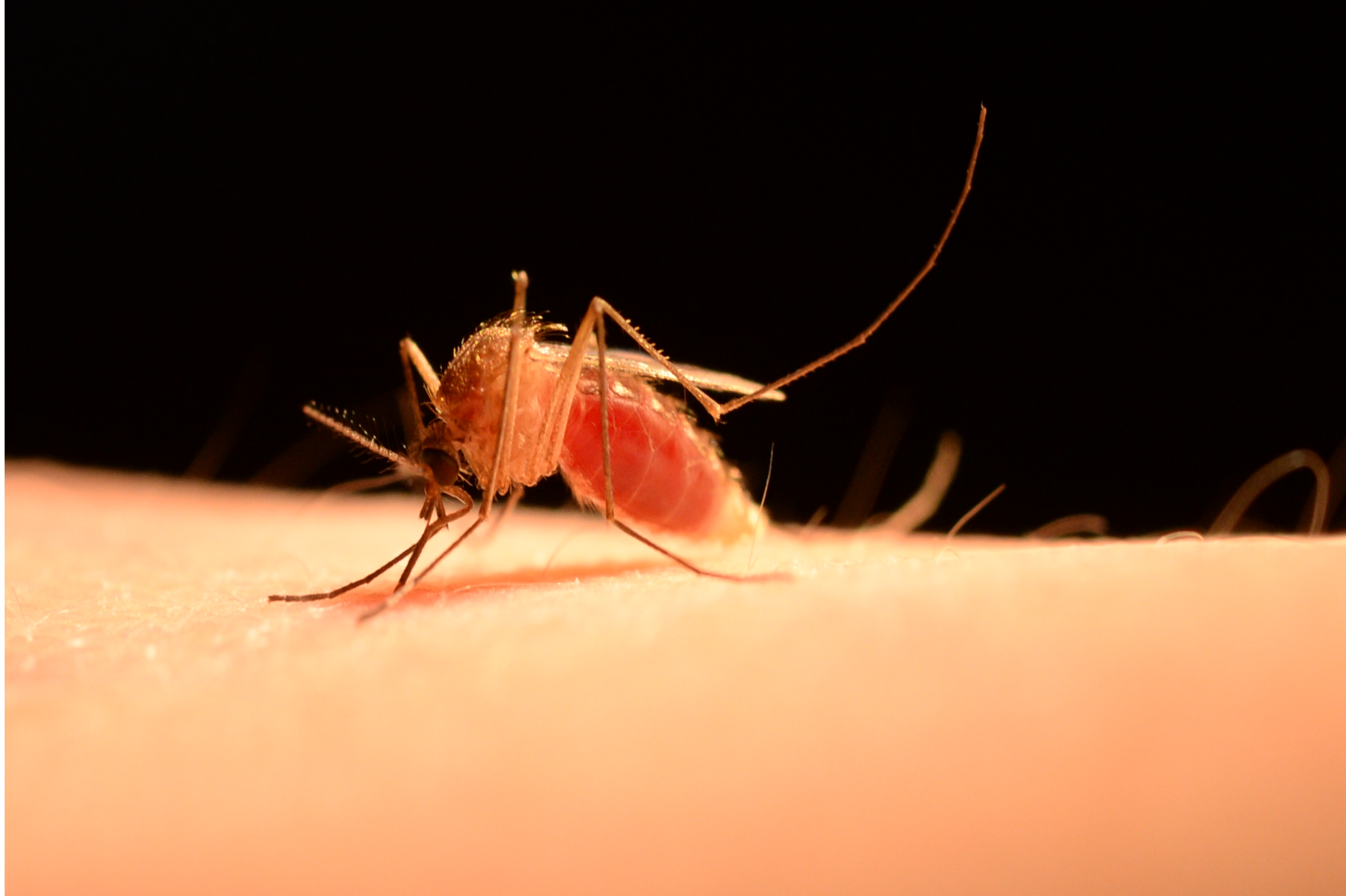
“We put a chick on one side of an enclosed arena, and a researcher holds his or her hand up on the other side,” Menna said. “Then we release mosquitoes and monitor where they land and start to probe with their mouthparts.”
Because a mosquito’s host choice critically influences pathogen transmission, Fritz says Menna’s work is especially significant.
“Our understanding of the molecular basis for Culex host choice is only just emerging,” Fritz said. “Theresa's research has provided important insights into the chemosensory genes of Culex pipiens mosquitoes, including how and where these genes are expressed in the tissues of blood-feeding adults."
These insights help explain disease transmission dynamics for West Nile and all mosquito-borne diseases.
“My work is on the ground floor, but it gets us one step closer to more effective mosquito management,” Menna said.
Despite mosquitoes’ deadly habits, Menna has come to appreciate them for their diversity and complex behavior. But will she still squash one that lands on her arm?
“Yes,” she said, “but I’ll try to identify it first.”