A popular student-initiated course (STIC) in computer science at the University of Maryland teaches computer logic through video games.
University of Maryland students are building fully functional central processing units (CPUs) inside one of the world’s most popular video games.
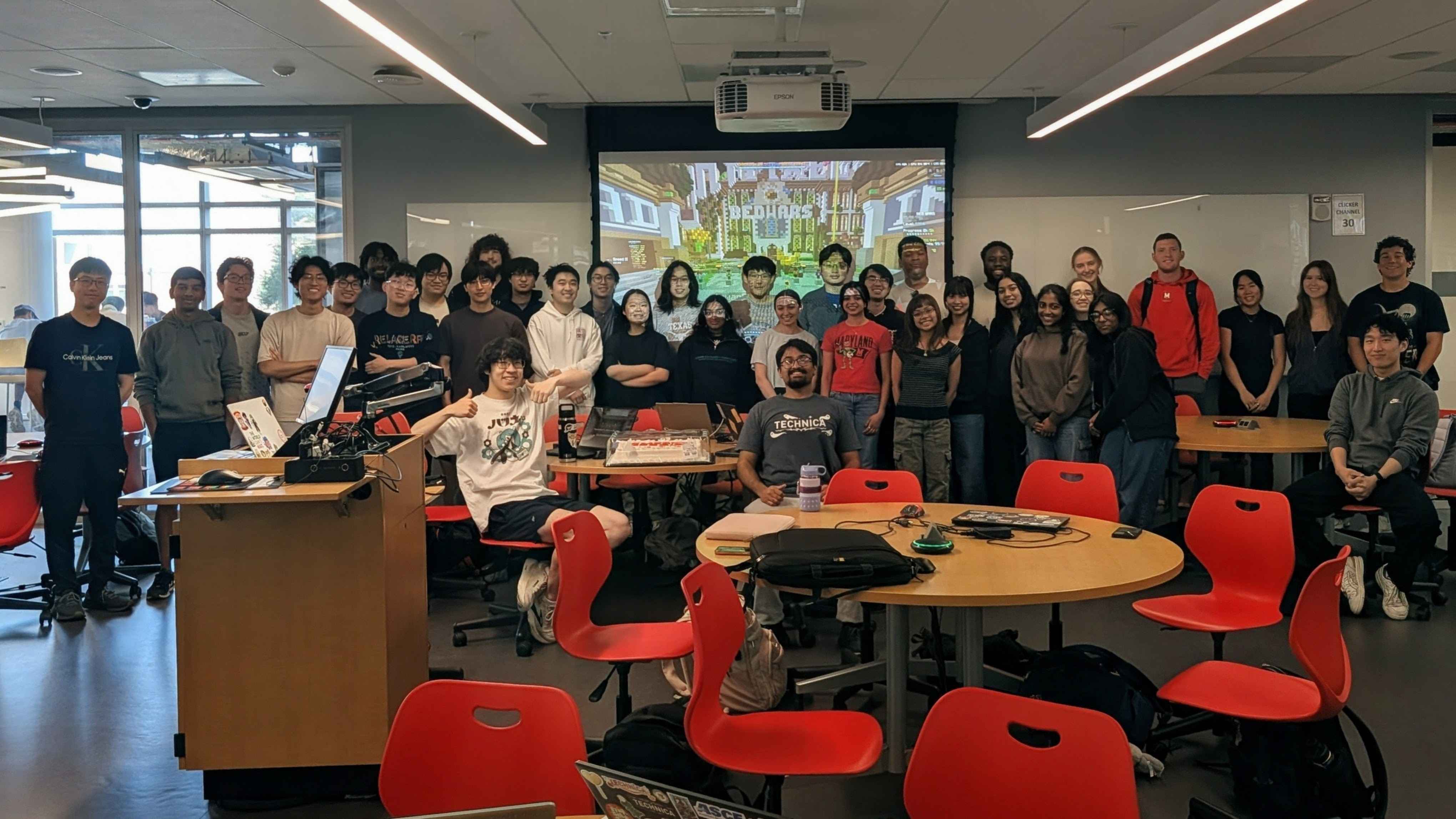
In CMSC389E: “Digital Logic Design Through Minecraft,” students learn how computers store and process information using binary codes of ones and zeroes. Then, they put that into practice by building functional computers in Minecraft—the video game where players use blocks to build things out of their imagination.
The one-credit student-initiated course (STIC) has been taught at UMD every semester since spring 2025, with overwhelming demand and positive student feedback.
“The biggest learning objective is understanding how a computer works in real life—not just in Minecraft,” said Minsi Hu (B.S. ’25, mathematics; B.S. ’25, M.S. ’26, computer science), who co-taught the class from spring 2025 to spring 2026. “It gives you a deep understanding of how a computer works down to the digital logic, which computer science courses usually don't dive into.”
Building a computer inside a computer
UMD offered CMSC389E as early as 2017, but the course hadn’t been taught for several years before Hu and Amrit Magesh (B.S. ’25, M.S. ’26, computer science) revived it in 2025. Both grew up playing Minecraft and wished they could have taken the class before it vanished from the catalog. So, working with Computer Science Lecturer Clifford Bakalian as their faculty advisor, they decided to teach it themselves.
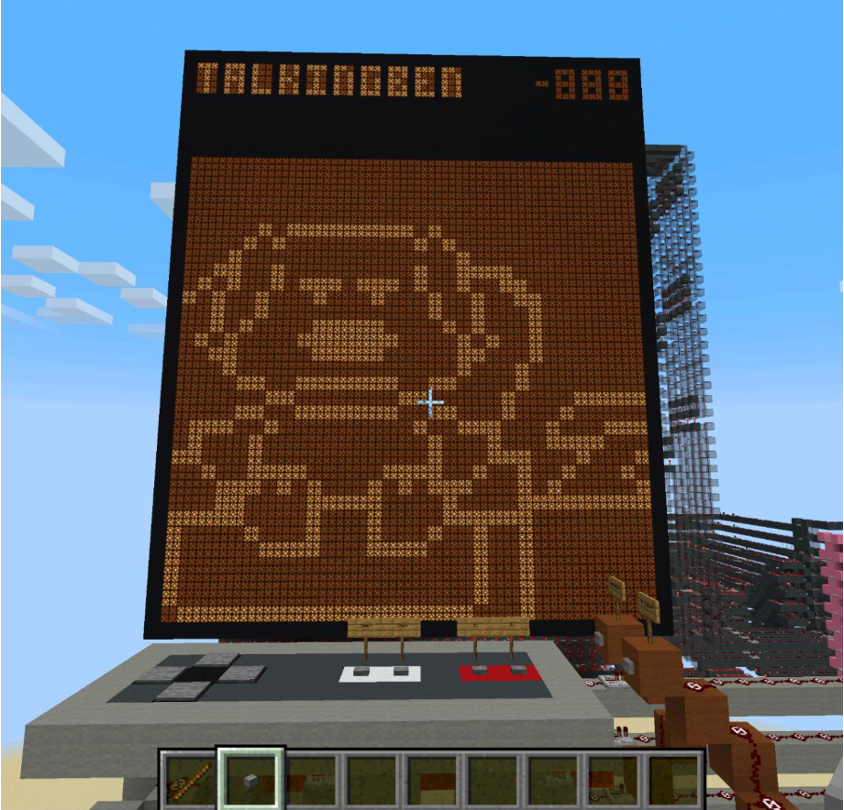
In the class, students build computers in Minecraft using redstone, a fictional material that powers in-game circuits. Players mine or trade for redstone and use it to craft electrical components, including switches, levers, wires, lights, power sources and more. They can also build logic gates—the tiny decision-makers inside a computer that process information as ones and zeroes.
Over the course of a semester, CMSC389E students learn about the theory of logic gates, combine them to build the core components of a CPU using redstone and wire it all together into a fully functioning machine. Then they program apps to run on their in-game computer. Past students have created animations, algorithms and even Minecraft versions of other popular games like Pong.
“You’re bound only by your imagination for this project,” said Grace Yang, a senior computer science major who is co-teaching the course this semester with senior computer science major Esther Yu and computer science master’s student Silas Rager.
Although Minecraft computers differ from physical hardware in many ways, the principles used to create them align, said Hu, who now works as a software engineer at Capital One. The skills students demonstrate through their final projects in the class often apply to their work elsewhere at UMD and beyond.
“The digital logic theory behind how a CPU works translates perfectly to Minecraft,” Hu said.
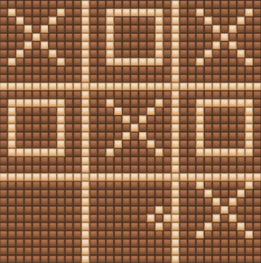
. Photo courtesy of Minsi Hu and Amrit Magesh
Minecraft for all
Seats in CMSC389E fill up fast, with only 30 slots available this semester. Enrollment typically reaches capacity on the first day of registration. In several instances, Hu and Magesh had to request classrooms with a higher seating capacity to meet the demand.
The class welcomes beginners, Magesh said. It builds knowledge from the ground up to accommodate students who haven’t played Minecraft or learned much digital logic. They also work in teams to demonstrate concepts and solve problems.
“For the most part, we’ve gotten very positive feedback from students,” said Magesh, who is now a software engineer at the Johns Hopkins University Applied Physics Laboratory. “You can put as much time as you want into the course and get as much out as you want.”
Teaching the STIC rewards instructors just as much as students, Yang said. She enjoys seeing students connect their hobbies with computer science concepts. Plus, she’s learned a ton during her teaching prep and loves sharing what she discovered with students.
“It’s not often you get to play a game for college credit,” Yang said. “And when you’re playing the game, you’re doing something really cool, like learning the theory behind how a CPU works.”
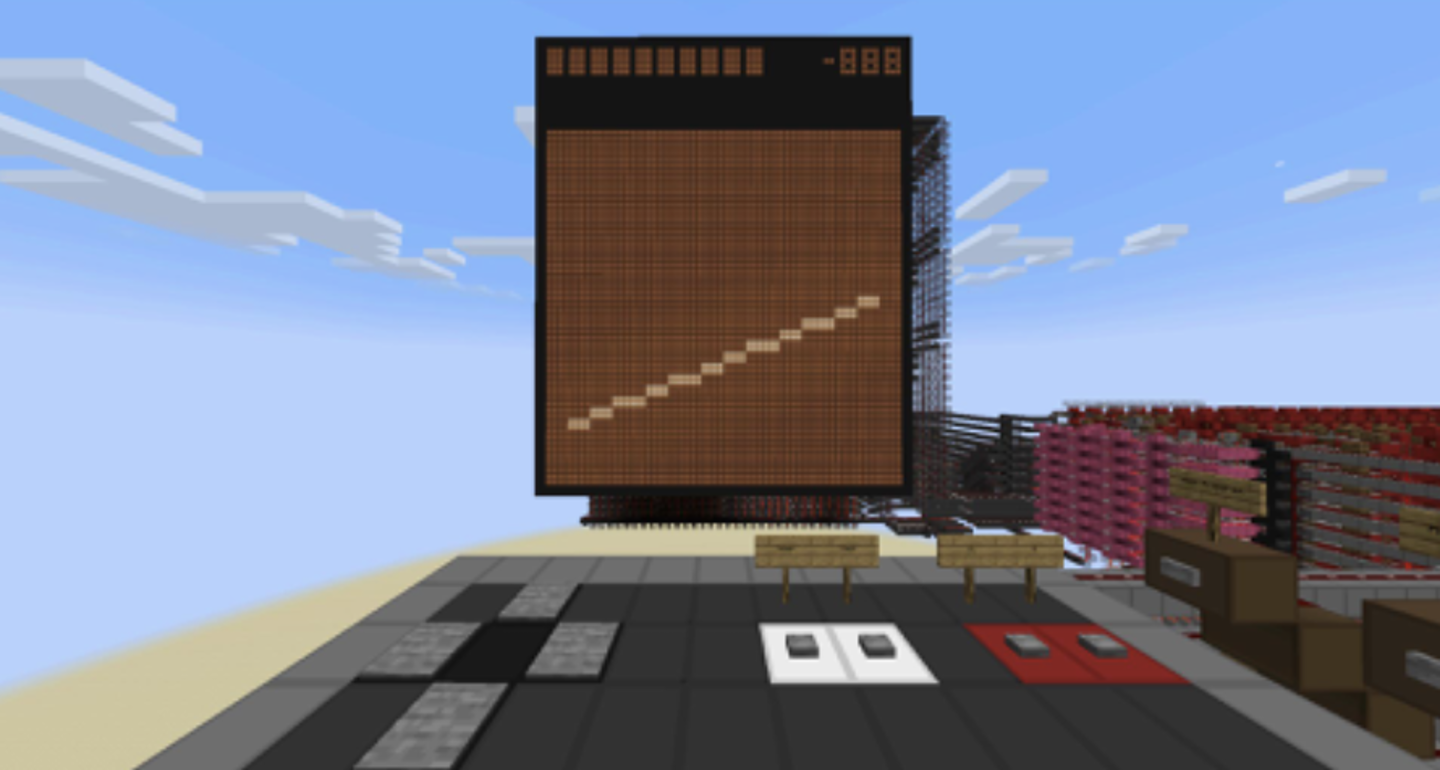
Magesh finds it rewarding to watch the course reach people beyond College Park. Students from other universities have reached out to say they’ve started their own computer programming projects in Minecraft, and others have expressed interest in starting something similar at their universities. Magesh even recruited a famous YouTuber, mattbatwings—who combines computer science with Minecraft and has nearly 350,000 subscribers—to give a guest lecture in fall 2025.
For Hu, the course goes beyond logic gates, Minecraft or even computer science—it cultivates the curiosity students need to dive down rabbit holes and learn everything they can about the things they enjoy.
“I hope we spark their curiosity, not just about digital logic, but science in general,” Hu said. “There’s always more to know—so the biggest thing I hope students are left with is an inspiration to learn.”