A new UMD-led study provides a blueprint for the next generation of antivenoms—using snakes’ natural molecular defenses against their own deadly venom.
University of Maryland researchers discovered a new approach to treating venomous snake bites—using the same toxin-blocking proteins that snakes evolved to protect themselves. The team found that specific combinations of blood proteins from western diamondback rattlesnakes provided unprecedented neutralizing power against the venom of multiple dangerous snake species.
The research, led by Distinguished University Professor of Biology Sean B. Carroll and published July 29, 2026 in the Proceedings of the National Academy of Sciences, offers a promising way to formulate more potent antivenoms against deadly snakebites—a significant problem in some parts of the world.
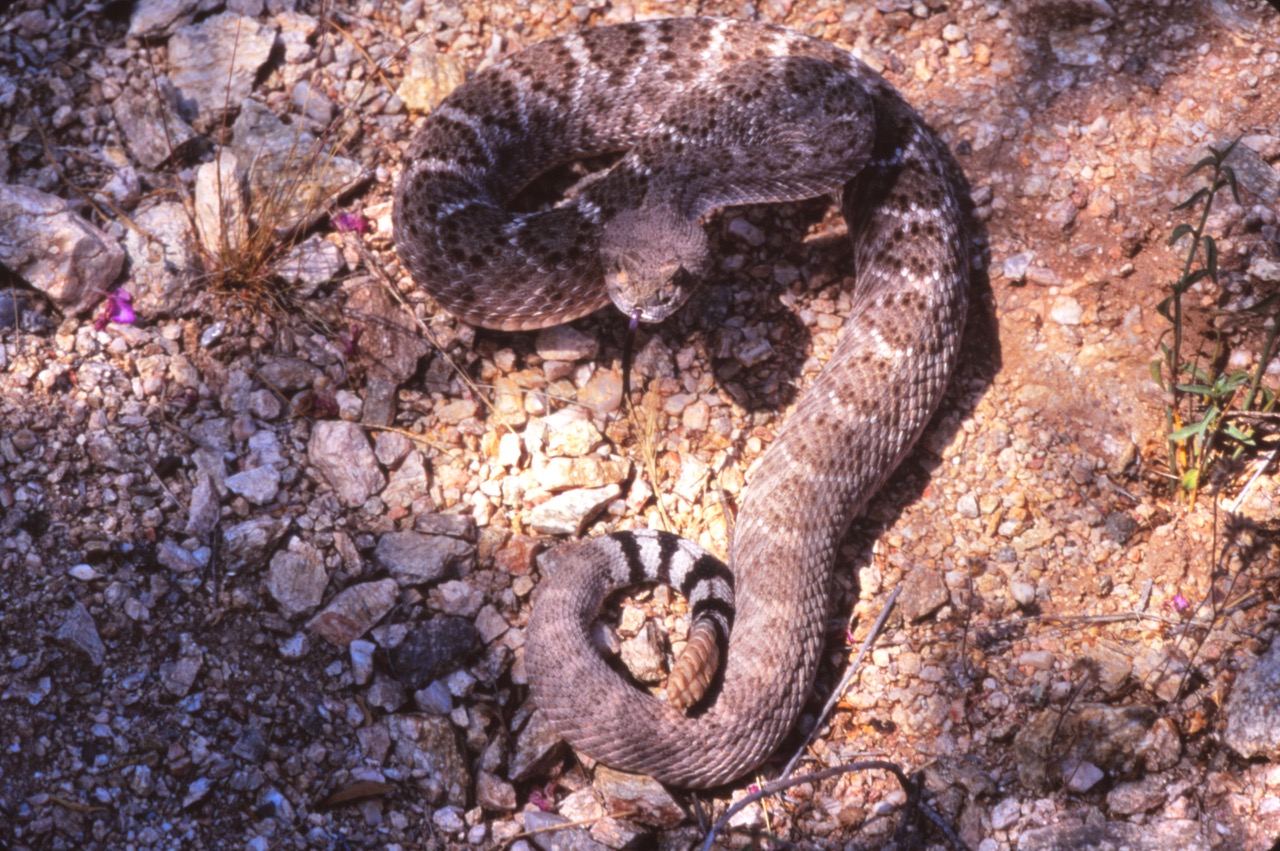
“This is one of those great stories when nature has already solved a problem we’ve been grappling with for decades,” said Carroll, who also holds the Andrew and Mary Balo and Nicholas and Susan Simon Endowed Chair at UMD.
Snakebites remain one of the world's most neglected tropical diseases. The World Health Organization estimates that venomous snakebites kill 80,000 to 140,000 people each year and leave hundreds of thousands more with permanent disabilities. Many victims live in rural regions where access to effective antivenoms is limited.
And while they do save lives, today’s antivenoms—made by immunizing large animals with snake venom and harvesting the resulting antibodies—are expensive to manufacture, vary in quality and effectiveness against the wide array of venom toxins from different snake species, and can trigger severe immune reactions. These limitations drive researchers to identify a better way of treating snakebites—in this case, by going back to the source.
“We’ve known from anecdotes for 100 years that vipers tend to be resistant to their own venom,” Carroll said. “But for a long time, nobody knew what exactly was circulating in their blood that protected them.”
In 2022, Carroll’s lab found part of the answer: a single protein called FETUA-3 that blocked the activity of many metalloproteinase toxins in the western diamondback’s venom. FETUA-3 also bound to and inhibited the toxins of venoms from several other rattlesnakes.
“Here was evolution’s way for snakes to protect themselves from accidental self-envenomation,” he said, which prompted a follow-up question. “Why rely on horse antibodies when nature has packaged an effective antidote right there in the snake?”
For the new study, co-authors including Elda Sánchez, who directs the National Natural Toxins Research Center at Texas A&M University-Kingsville, investigated the individual roles of all FETUA proteins. They found that while one FETUA protein might reduce bleeding and another might affect enzyme activity, no one FETUA protein completely prevented death from a bite.
However, combining several of these proteins dramatically increased their ability to neutralize venom’s damaging effects. Because a single venom might contain 100 toxin proteins from multiple protein families and no two species’ venoms are the same, the scientists have their work cut out for them finding the most effective combinations of toxin inhibitors.
“The ingredients are there,” Carroll said. “We just have to keep testing various mixtures.”
In laboratory tests, optimized protein combinations proved about 10 times more potent than the current sheep-derived rattlesnake antivenom; they completely neutralized rattlesnake venom lethality and provided broad protection against venoms from multiple viper species—even some separated by millions of years of evolution.
“The fact that parts of these inhibitors have been perfectly conserved over 50 million years of snake evolution tells you just how real a risk this is for these animals,” Carroll said, noting that how snakes envenomate themselves—whether through mouth tissue during a bite, by eating envenomated prey, through cannibalism or all of the above—isn’t well understood.
While the current study focused on metalloproteinases, the researchers are now applying the same strategy to additional venom toxin families.
"We're getting remarkably close to having effective solutions for the three major toxin families in vipers," Carroll said. "What we've learned here, together with research we're doing now, gives us real confidence that nature-based recombinant [lab-produced] antivenoms are within reach."
Carroll believes the first commercial uses of “nature’s antivenom” may be veterinary, followed by treatments for snakebites in humans, and that the next generation of antivenoms will provide broader protection than today's versions while being safer, more affordable and easier to manufacture at large scale.
“We could make train cars-worth of this stuff and help solve a massive global health problem,” Carroll said. “Many of our most important medicines have come from nature. I’m delighted that the components for a better-than-commercial antivenom were in these snakes all along.”
###
In addition to Carroll, study co-authors from UMD included Department of Biology visiting faculty specialists Fiona Ukken and Yetunde Ayinuola.
The paper, “Nature's antivenom: Combinations of conserved rattlesnake serum metalloproteinase inhibitors block the lethal action of viper venoms," was published in the Proceedings of the National Academy of Sciences on July 29, 2026.
This work was funded by the Howard Hughes Medical Institute and the Viper Resource Center (Grant #P40OD01960-22). This article does not necessarily reflect the views of these organizations.