Skip to main content
Site Menu
About
Strategic Plan
CMNS Teaching & Learning Center
For Faculty Members
Programs
Resources for Teaching
Teaching & Learning Glossary
For Graduate Students
Programs
Resources for Teaching
Teaching & Learning Glossary
Research & Internships
Teaching & Learning Center Scholarly Activities
Alumni
CMNS Alumni Network
Giving
College Awards
CMNS Studio
Faculty Resources
Contact Us
People
College Administration
Nobel Laureates & National Academy Members
Distinguished University Professors
Endowed Chairs & Professors
Board of Visitors
Circle of Discovery
Undergraduate
Future Students
Majors & Minors
Admissions
Plan a Visit
Recruitment Ambassadors
Living & Learning Programs
BioFIRE
Admissions and Contact
Curriculum
Activities
Mentors
FAQs
Pre-Health Advising
Current Students
Student Services
Academic Planning
Benchmarks
Departmental Honors
Graduation Plans
Advising
Declaring a CMNS Major or Minor
Academic Policies
Exceptions to Policy
Permission to Enroll
Peer Mentors
Peer Mentor Application Information
Pre-Health Advising
Career Support
Meet With a Career Advisor
Research and Internships
Student Organizations
Academic Support & Tutoring
Scholarships
J.R. Dorfman Prize
Undergraduate Summer Award
Graduation Information
CMNS Dean's Student Advisory Council
Undergraduate Teaching Opportunities
Undergraduate Listserv
Undergraduate Program Staff
Graduate
Degree Programs
Science Academy
About
News
Tuition and Fees
FAQs
Should I Pursue Data Science, Applied Machine Learning or Artificial Intelligence?
Resources for Current Students
Staff
Contact Us
Applied Machine Learning
Course Descriptions
Artificial Intelligence
Course Descriptions
Bioinformatics & Computational Biology
Course Descriptions
Data Science
Graduate Certificate
Course Descriptions
Master of Science
Course Descriptions
Quantum Computing
Graduate Certificate
Course Descriptions
Master of Science
Admissions
Graduate Fellowships
Student Organizations
CMNS Teaching & Learning Center
CMNS Graduate Council
Graduation Information
Departments
Research
Research Institutes & Centers
Partnerships
Solving Grand Challenges
Artificial Intelligence
Health & Disease
Environmental Resilience
Quantum Computing
Space Exploration
Shared Research Facilities
Innovation
News & Events
News
Events
Science on Tap
Summer Camps
Newsletters
College
Biological Sciences
Chemistry & Biochemistry
Computer Science
Mathematics
Physics
Videos
About
Strategic Plan
CMNS Teaching & Learning Center
Alumni
Giving
College Awards
CMNS Studio
Faculty Resources
Contact Us
People
College Administration
Nobel Laureates & National Academy Members
Distinguished University Professors
Endowed Chairs & Professors
Board of Visitors
Circle of Discovery
Undergraduate
Future Students
Current Students
Graduate
Degree Programs
Science Academy
Admissions
Graduate Fellowships
Student Organizations
CMNS Teaching & Learning Center
CMNS Graduate Council
Graduation Information
Departments
Research
Research Institutes & Centers
Partnerships
Solving Grand Challenges
Shared Research Facilities
Innovation
News & Events
News
Events
Newsletters
Videos
Search
Breadcrumb
Home
Biological Sciences Graduate Program
Tagged content: Biological Sciences Graduate Program
Congratulations to the College's August and December 2022 Graduates
December 20, 2022
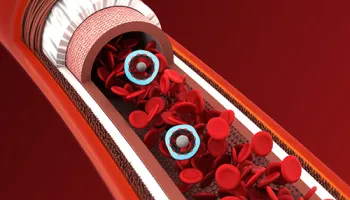
UMD Scientists Create Chemical Compound That Can Reverse Effects of Potentially Deadly Drugs
December 15, 2022
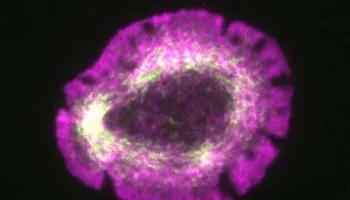
Molecular Tug-of-war Gives Cells Their Shape
November 3, 2022
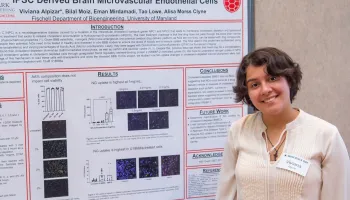
Student Research Shines at UMD’s Bioscience Day
October 12, 2022
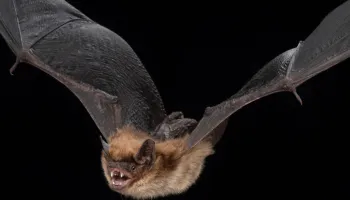
Hibernation Slows Biological Aging in Bats
August 9, 2022
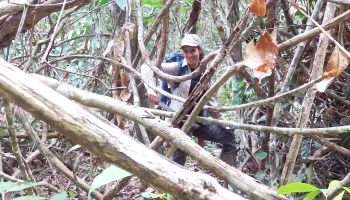
Listening to “Animal Orchestras” May Help Save the Amazon
July 14, 2022
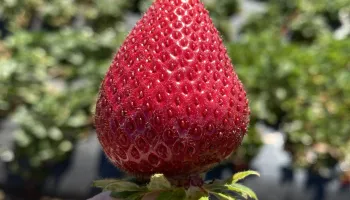
UMD Scientists Identify Mechanism Responsible for Fruit and Seed Development in Flowering Plants
July 11, 2022
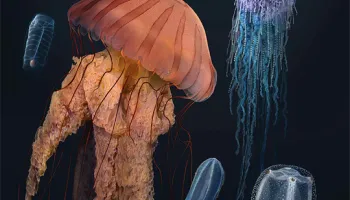
Biological Sciences Ph.D. Student Nick Bezio’s Research is an Art and a Science
May 12, 2022
College Announces 2022 Employee Award Recipients
April 13, 2022
Pagination
First page
« First
Previous page
‹‹
…
Page
3
Page
4
Page
5
Page
6
Page
7
Page
8
Page
9
Page
10
Page
11
Next page
››
Last page
Last »